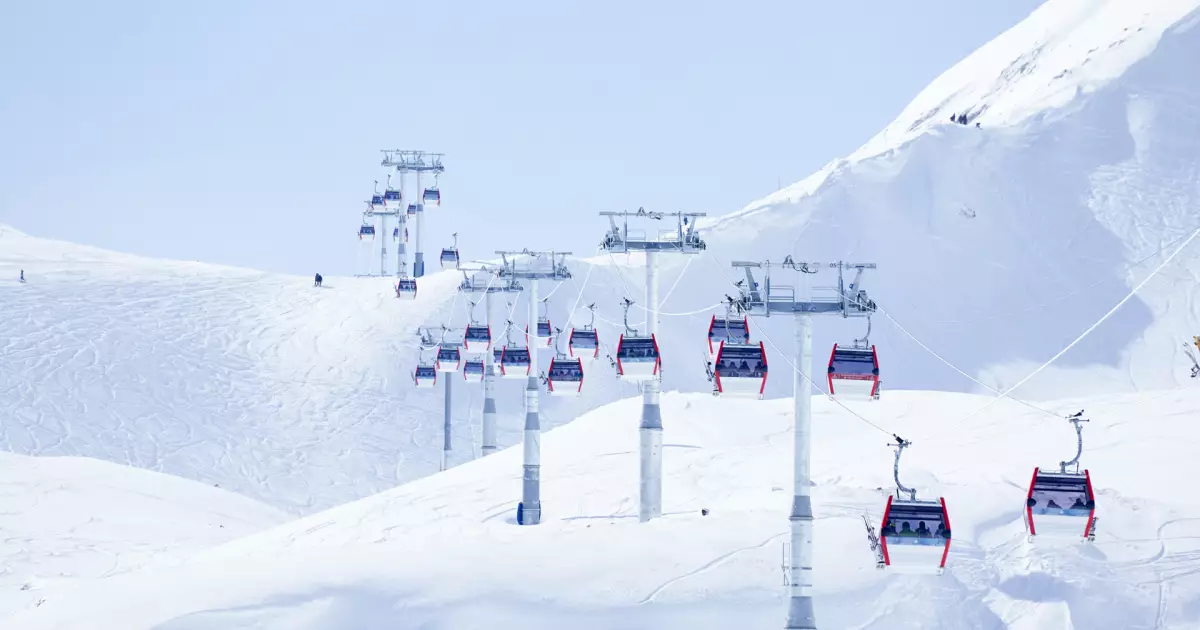
1 / 4
About this destination
Gudauri sits at 2,200 m on the Greater Caucasus and delivers serious skiing, heliski drops, and paragliding — all at prices that make Alpine resorts look absurd.
Gudauri sits at 2,200 m on the Greater Caucasus and delivers serious skiing, heliski drops, and paragliding — all at prices that make Alpine resorts look absurd.
Europe's ski crowd has a secret, and Georgia is done keeping it.
Gudauri sits at around 2,200 metres on the southern slopes of the Greater Caucasus, about two hours north of Tbilisi along the Georgian Military Highway. The drive alone is worth the trip — cliffs, watchtowers, and a river gorge that makes you forget you were eating khinkali in the capital just this morning.
Gudauri gets genuine powder. The resort faces north-east, which means cold, dry air funnels down from the Russian steppe and drops consistently good snowfall from December through April. Base depths regularly hit 2–3 metres by February. If you've been burned by slushy European springs before, this is a refreshing change.
The skiable terrain runs from around 1,990 m at the base up to 3,279 m at the top of the Sadzele gondola. That's not just a number — it means you'll find long, unhurried runs where you can actually open up and ski, not queue for six minutes to descend a slope you're off in ninety seconds.
Lift passes in Gudauri are genuinely affordable. A full-day pass typically costs around 55–65 GEL (roughly €18–22 at current rates), and multi-day packages drop the per-day price further. Ski and boot rental for a full day runs about 40–60 GEL depending on the shop.
The groomed pistes suit all levels, but Gudauri really earns its reputation in the off-piste. The wide open bowls above the treeline are a freeride playground, and the resort is one of the top heliskiing destinations in Europe — not because it's fashionable, but because the terrain genuinely justifies it. A single heliski drop into the backcountry will cost roughly 200–300 GEL per person, far cheaper than comparable operations in the Alps.
Tip: Book heliskiing early in the week — weekends get crowded and the weather windows fill fast.
If someone in your group doesn't ski, Gudauri still delivers. Paragliding tandem flights off the ridge offer views of the Caucasus range stretching in every direction — you can see as far as Mount Kazbek on a clear day. Flights typically cost 150–200 GEL and launch from right above the resort.
In the evening, the village has a small but solid selection of restaurants and guesthouses. Don't expect Courchevel nightlife — the vibe is relaxed, the wine is local (and good), and a hearty dinner of mtsvadi (Georgian skewers) and lobiani (bean-filled bread) will set you back maybe 30–40 GEL.
When the snow melts, the landscape turns into something else entirely. The same high-altitude meadows that hold powder in February are carpeted with wildflowers by July. Hikers use Gudauri as a base for routes along the Military Highway corridor — the Juta valley, about 30 minutes further north, is one of the finest day hikes in the country, with the Chaukhi massif as a backdrop.
Mountain biking has grown quickly here too. Several operators now rent bikes and run guided descents from the upper lifts — a fast, physical way to see terrain that takes days on foot.
Shared marshrutkas (minibuses) run from Tbilisi's Didube terminal toward Kazbegi and stop in Gudauri. The journey costs about 10–15 GEL. In ski season, several agencies offer direct transfers from Tbilisi for around 30–50 GEL per person — worth it if you're arriving with gear. The road can close briefly after heavy snowfall, so check conditions if you're travelling in January or February.
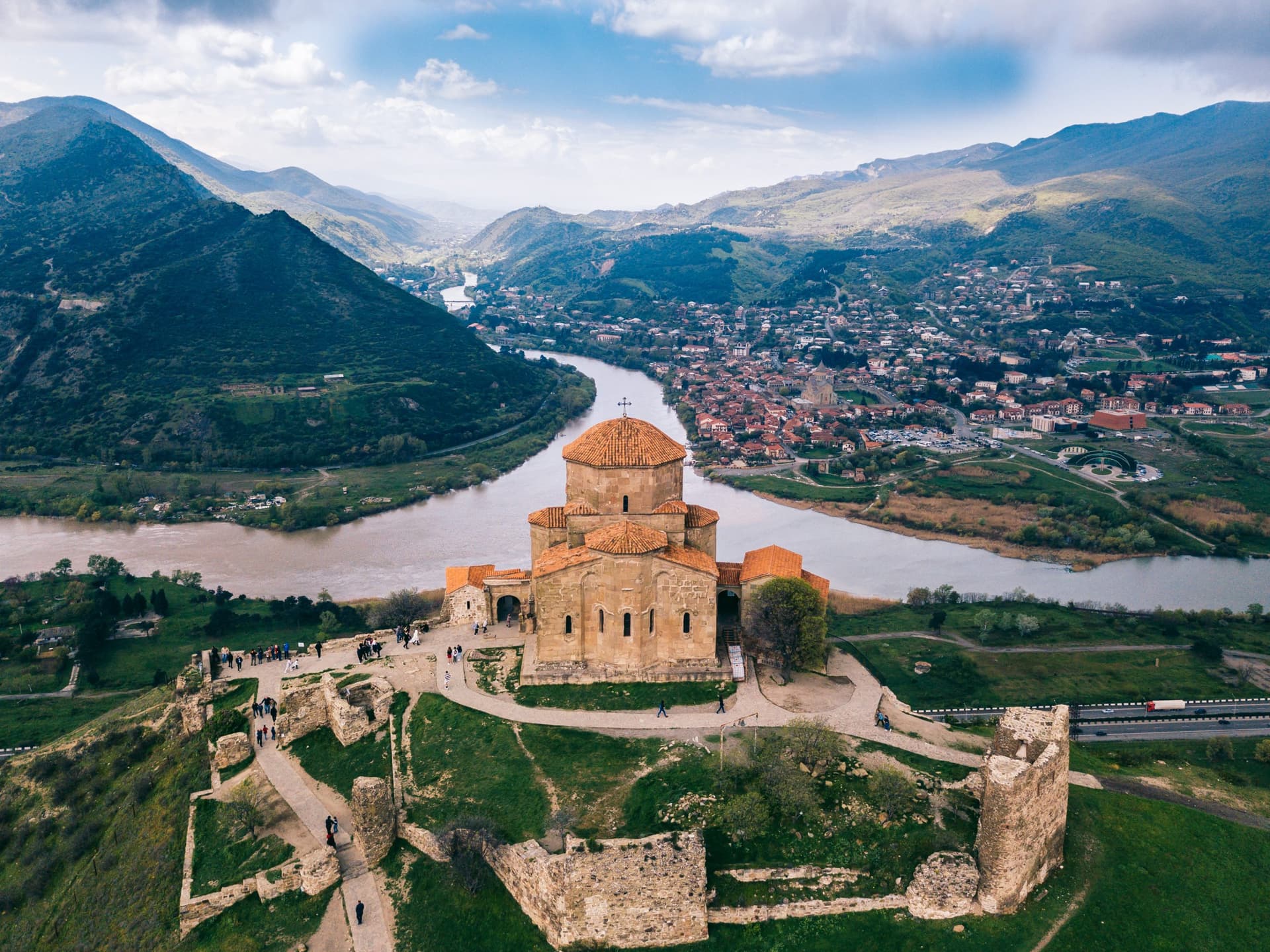
Once the capital of an ancient kingdom, Mtskheta is where Georgian history and Orthodox faith run deepest. Here's what to see, feel, and eat on a day trip from Tbilisi.
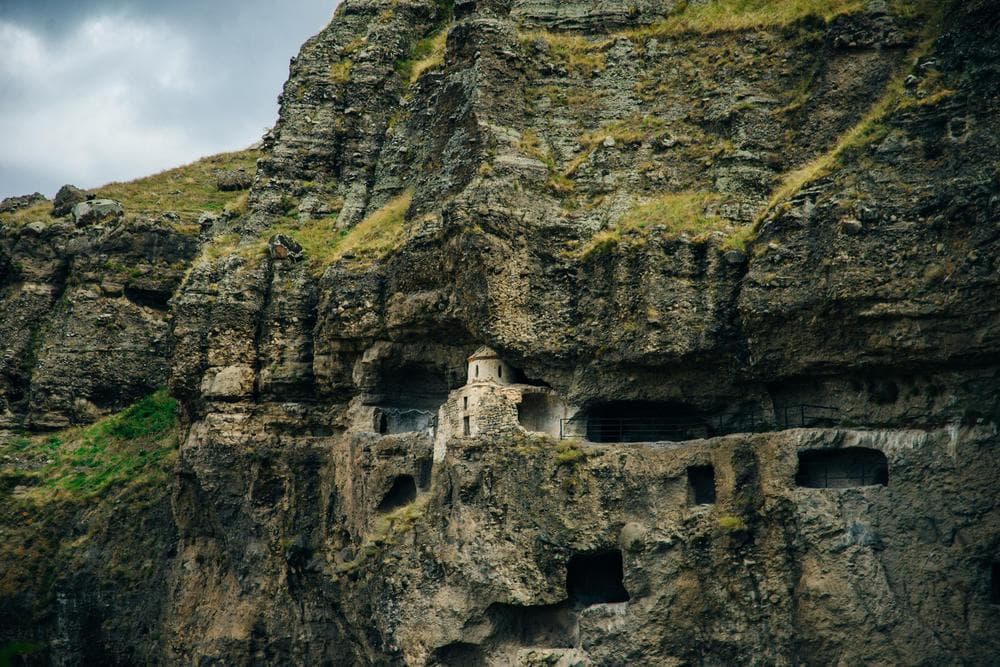
Carved into a volcanic cliff in southern Georgia, Vardzia is a 12th-century cave monastery with 13 levels, frescoed churches, and a story tied to Queen Tamar's golden age.
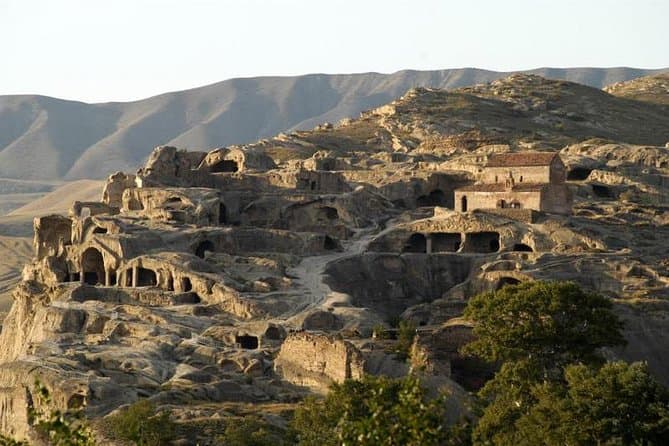
Carved into volcanic rock over 3,000 years ago, Uplistsikhe is one of Georgia's oldest urban sites — pagan temples, secret tunnels, and sweeping views of the Mtkvari River all in one place.
Feels 7°
Wind 3 km/h
5-day forecast
Sun
13°
8°
Mon
13°
8°
Tue
8°
6°
Wed
9°
6°
Thu
7°
4°